Brick vs. Stone Tuckpointing: Key Differences for Commercial Projects
People searching for brick vs. stone tuckpointing: key differences for commercial projects are typically looking to improve masonry durability and appearance, and local contractors can help determine the best approach.
Understanding the differences between brick and stone tuckpointing is essential for property owners considering restoration or repair work on commercial buildings. Whether dealing with aging facades or aiming to enhance structural integrity, knowing how each material responds to tuckpointing techniques can influence long-term results. Local contractors specializing in brick and stone tuckpointing offer insights into which approach best suits specific building types, helping property owners make informed decisions that support durability and aesthetic appeal.
For those managing commercial properties in the area, exploring the nuances of brick versus stone tuckpointing can lead to more effective preservation strategies. Each material presents unique challenges and advantages, and experienced service providers can recommend tailored solutions that address these differences. Continuing to learn about these key distinctions ensures property owners are better equipped to maintain the value and appearance of their buildings, with local experts ready to assist in executing the right approach.
- Commercial brick structures - when brick tuckpointing is needed to restore mortar joints and improve durability, local contractors typically assess the extent of damage and use matching mortar for seamless repairs.
- Stone facades on commercial buildings - for stone tuckpointing, service providers focus on preserving the natural appearance while addressing weathering and structural issues through careful repointing techniques.
- Historic commercial properties - when maintaining the original aesthetic is essential, local pros specialize in matching historic materials and techniques for both brick and stone tuckpointing projects.
- Buildings with mixed masonry materials - for projects combining brick and stone, local contractors evaluate the condition of each material type to determine the appropriate tuckpointing approach for longevity.
- Structural repairs for commercial masonry - when stability is compromised, service providers prioritize tuckpointing solutions that reinforce the building’s integrity while respecting the material differences between brick and stone.
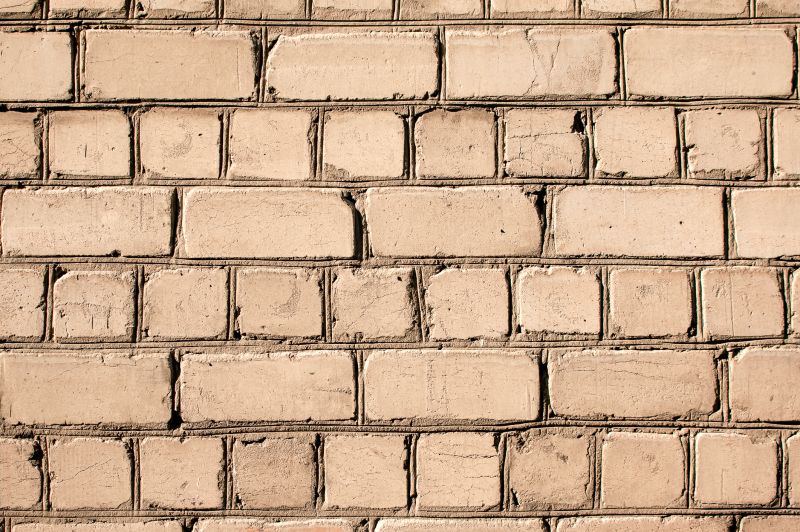
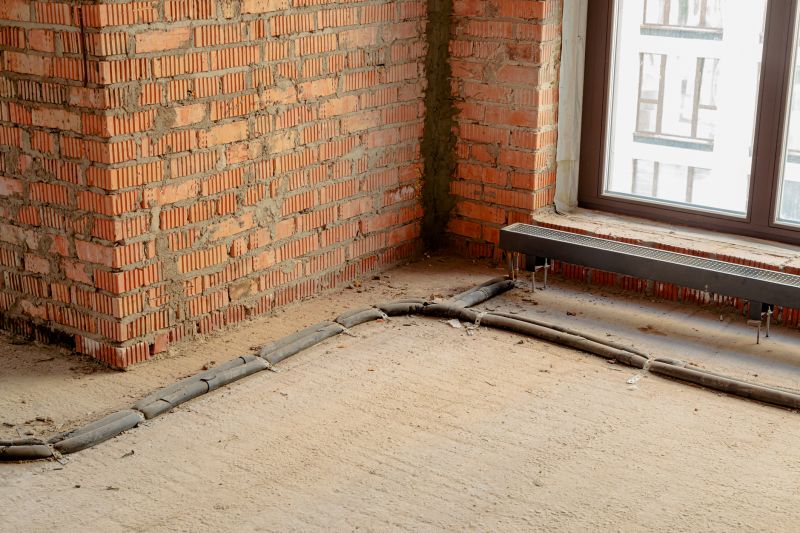
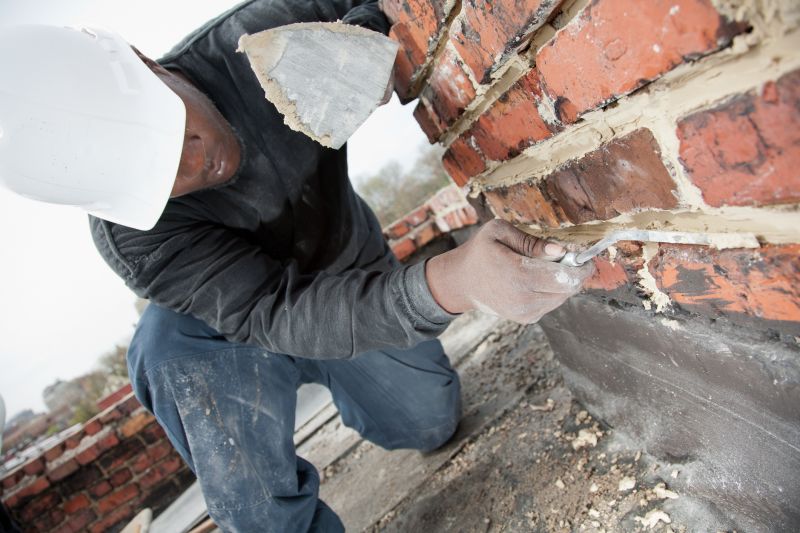
When people search for brick vs. stone tuckpointing: key differences for commercial projects, they often want to understand how these two materials compare in terms of appearance, durability, and maintenance needs. This topic typically comes up during renovation or repair planning for commercial properties that feature brick or stone exteriors. Property owners and managers may be looking to restore or enhance the aesthetic appeal of their buildings, or they might need to address structural issues caused by aging mortar joints. Recognizing the distinctions between brick and stone tuckpointing helps determine which approach best suits the specific materials used on the property, ensuring the work aligns with the building’s overall style and long-term stability.
This comparison is particularly relevant for commercial properties such as office buildings, retail centers, warehouses, and institutional facilities. These structures often have large, exposed masonry surfaces that require regular maintenance or repair. Problems like cracked or deteriorating mortar joints, water infiltration, or structural weakening can prompt property owners to seek professional tuckpointing services. Plans for restoring the exterior may involve replacing or repairing mortar joints to improve both appearance and structural integrity. Local contractors specializing in brick and stone tuckpointing can assess the specific needs of each property, providing tailored solutions that address the unique challenges posed by different materials.
The types of issues most connected to brick vs. stone tuckpointing: key differences for commercial projects include the nature of the materials themselves and how they age over time. Brick tends to be more uniform in appearance and relatively easier to work with when it comes to mortar repairs, making it a common choice for many commercial facades. Stone, on the other hand, often features a more varied surface texture and requires specialized techniques to match the natural look and feel of the original material. Property owners may also need to consider whether the existing mortar is compatible with new mortar mixes, and whether the repair process will preserve the aesthetic qualities of the original construction. Local service providers experienced in both materials can help navigate these considerations, ensuring the repair work maintains the building’s visual and structural integrity.
Ultimately, understanding the key differences between brick and stone tuckpointing helps property owners make informed decisions about their repair and restoration projects. Each material has its own set of characteristics that influence the choice of mortar, the repair techniques used, and the overall approach to maintenance. Local contractors who specialize in brick and stone tuckpointing can evaluate the specific needs of a commercial property and recommend the most effective solutions. Whether addressing aesthetic concerns or structural issues, these professionals are equipped to handle the unique challenges posed by each material, ensuring the longevity and appearance of the building’s masonry surface are preserved for years to come.
Masonry Restoration Projects - Local contractors experienced in masonry restoration often handle tuckpointing for brick and stone, requiring similar skills in matching mortar and repairing damaged surfaces.
Brick and Stone Veneer Installation - Installing veneer involves planning and skill in working with different materials, making it comparable to tuckpointing for maintaining structural and aesthetic integrity.
Historic Building Preservation - Preservation projects demand careful attention to mortar color and texture, aligning with the techniques used in brick vs. stone tuckpointing for authentic results.
Exterior Wall Repair Services - Repairing cracked or deteriorated exterior walls often involves tuckpointing techniques to restore stability and appearance, whether brick or stone is involved.
Chimney and Fireplace Restoration - Restoring chimneys and fireplaces requires masonry skills similar to tuckpointing, especially when matching mortar joints and ensuring durability.
Concrete and Masonry Surface Finishing - Surface finishing projects share planning and tool use with tuckpointing, focusing on achieving smooth or textured masonry surfaces for commercial buildings.
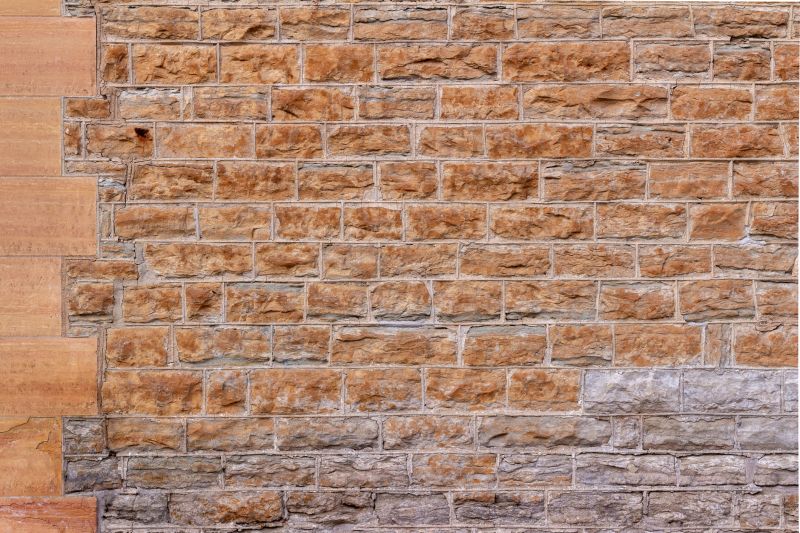
When evaluating service providers for brick vs. stone tuckpointing, it is essential to consider their experience with similar projects, particularly those involving commercial properties. Contractors who have successfully handled comparable work can better understand the unique challenges and requirements associated with different materials. Looking into their portfolio or asking for examples of past projects can provide insight into their familiarity with the specific techniques needed for brick or stone tuckpointing, ensuring the chosen local contractors have the relevant expertise to deliver quality results.
Clear, written expectations are a vital aspect of selecting the right service provider for tuckpointing projects. A reputable contractor should be able to communicate the scope of work, materials to be used, and the process involved, providing detailed descriptions that help set accurate expectations. This transparency helps prevent misunderstandings and ensures that the project aligns with the homeowner’s needs. When comparing local pros, it’s beneficial to seek out those who can provide comprehensive written estimates and project plans, demonstrating professionalism and a commitment to clarity throughout the process.
Reputable references and strong communication are key indicators of a reliable contractor for brick vs. stone tuckpointing. Speaking with previous clients or reviewing testimonials can reveal how well a local contractor manages projects, adheres to deadlines, and addresses questions or concerns. Good communication throughout the process fosters confidence and helps ensure that any issues are promptly addressed. When considering different service providers, prioritizing those with positive references and a responsive, transparent communication style can contribute to a smoother experience and a successful tuckpointing project.
Property owners often search for brick vs. stone tuckpointing: key differences for commercial projects when they are planning practical projects around their homes and businesses. Local pros provide Brick vs. Stone Tuckpointing services for everyday jobs and straightforward project options.
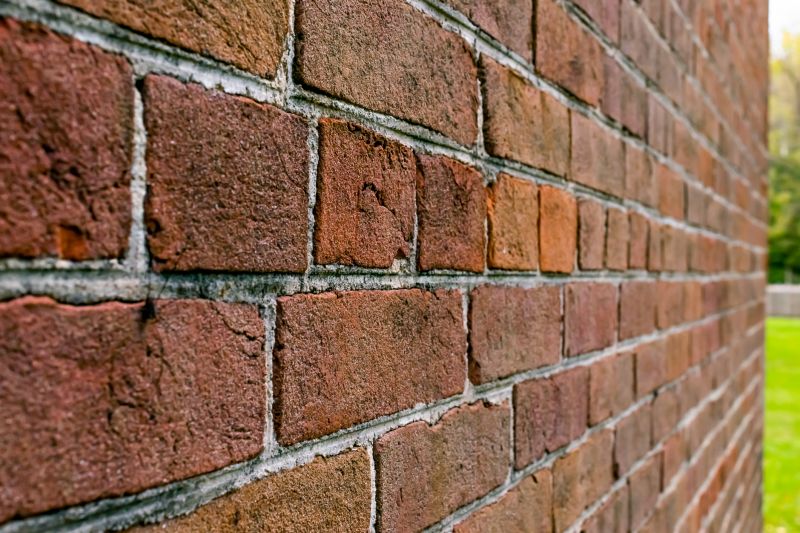
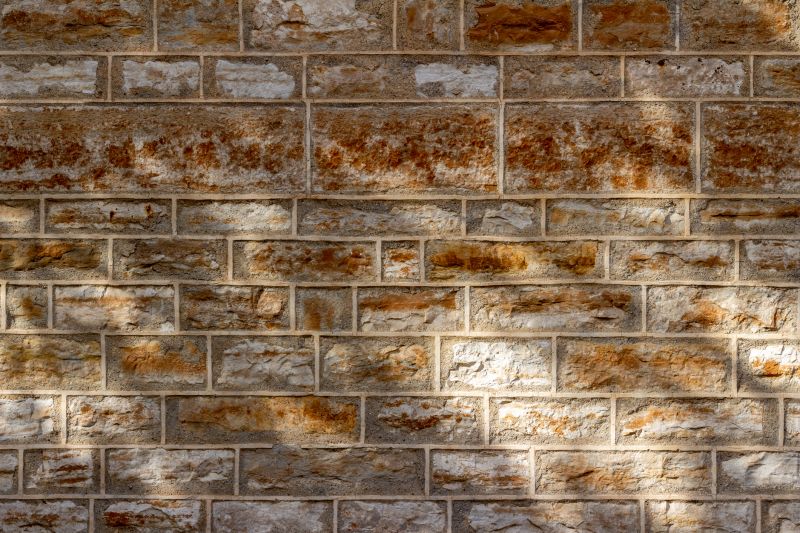
In many commercial properties around the area, property owners often consider whether brick or stone tuckpointing is the better choice for restoring and maintaining their building’s exterior. Brick tuckpointing typically involves working with mortar joints between bricks, making it a common solution for structures with brick facades. It’s often selected when the goal is to improve appearance or address minor mortar deterioration without altering the overall look of the brickwork. Conversely, stone tuckpointing focuses on restoring mortar joints in stone walls, which can be more complex due to the variety of stone types and finishes. Local contractors experienced in stone work can help determine whether this approach is suitable for projects involving natural or manufactured stone surfaces.
Understanding the differences between brick and stone tuckpointing can help property owners make informed decisions about their exterior repairs. Brick work usually requires specific mortar mixes that complement the brick’s color and texture, and it often involves less extensive preparation. Stone tuckpointing, on the other hand, may demand more precise matching of mortar to preserve the natural appearance of the stone and ensure durability. Local service providers can assess the condition of the existing materials and advise on the most appropriate approach, whether it’s a straightforward mortar repair or a more detailed restoration that respects the unique characteristics of stone surfaces.
What are the main differences between brick and stone tuckpointing for commercial projects? Brick tuckpointing involves repairing or restoring mortar joints in brick structures, while stone tuckpointing focuses on matching mortar in stone masonry. Local contractors can advise on which material is appropriate based on the building’s original construction and aesthetic goals.
How does the choice between brick and stone tuckpointing impact the durability of a building? Both materials require proper tuckpointing to maintain structural integrity, but stone often withstands weathering better over time. Local service providers can assess the condition of each material and recommend the best approach for longevity.
Are there different techniques used in tuckpointing brick versus stone structures? Yes, tuckpointing techniques vary slightly; brick structures typically require precise mortar joint filling, while stone structures may need specialized matching mortar to blend seamlessly. Local pros are skilled in applying techniques suited for each material type.
Can tuckpointing services be customized based on whether a building is brick or stone? Absolutely. Tuckpointing methods are tailored to the specific material, ensuring a seamless repair that preserves the building's appearance. Local contractors can customize their approach for either brick or stone structures.
Why is it important to choose a professional experienced in both brick and stone tuckpointing? Experienced professionals understand the nuances of working with different materials, which helps prevent damage and ensures a high-quality finish. Contacting local service providers with expertise in both can lead to better results for commercial projects.
Understanding material differences - Property owners can explore how brick and stone materials vary in durability and appearance when planning tuckpointing projects with local contractors.
Choosing appropriate techniques - Knowing whether to use specific tuckpointing methods for brick or stone can help ensure a long-lasting repair suited to the building’s materials.
Matching mortar colors and textures - Selecting mortar that complements brick or stone surfaces can enhance the visual appeal of commercial facades during tuckpointing work.
Assessing structural needs - Local service providers can evaluate whether brick or stone tuckpointing is better suited to address particular stability or weather resistance concerns in commercial properties.
If you are thinking about brick vs. stone tuckpointing: key differences for commercial projects for a property, this guide is meant to help you understand this topic, the typical project types, and how different options might fit your plans.
When you are ready, you can use the quote form on this page to share a few details about your project. From there, local pros can review the basics and follow up with options that match what you have in mind.