How Deteriorated Mortar Affects Building Safety and Longevity
People searching for mortar repair are typically looking to restore building safety and longevity by fixing deteriorated mortar, which local contractors can expertly handle.
If you’ve been wondering how deteriorated mortar can impact the safety and longevity of a building, you’ve come to the right place. Property owners in the area may notice signs such as crumbling joints, gaps, or visible damage around brick or stone walls. These issues aren’t just cosmetic; they can compromise the structural integrity of a property over time. Understanding the importance of proper mortar maintenance helps prevent costly repairs and preserves the value of your investment. Local contractors experienced in mortar repair can assess the condition of existing mortar and recommend appropriate solutions to keep buildings sturdy and safe for years to come.
Exploring how deteriorated mortar affects building safety and longevity is a practical step for anyone responsible for maintaining a property. When mortar begins to break down, it can lead to water infiltration, freeze-thaw damage, and even structural shifts, all of which threaten the stability of the entire building. Fortunately, skilled service providers in the area offer mortar repair services that address these concerns effectively. Keeping mortar in good condition not only enhances a building’s appearance but also plays a vital role in ensuring its durability and safety over time. Keep reading to learn how local pros can help protect your property’s foundation and overall integrity.
- Repointing Services - needed when mortar joints have crumbled or cracked, allowing water infiltration that can weaken the structure over time.
- Masonry Repair - required if deteriorated mortar has caused loose or fallen bricks, compromising building stability and safety.
- Mortar Restoration - sought when old mortar has lost its bonding strength, affecting the longevity of brick or stone façades.
- Structural Reinforcement - necessary if deteriorated mortar has led to shifting or leaning walls that threaten the integrity of the building.
- Surface Cleaning and Sealing - recommended to protect compromised mortar from further damage and extend the lifespan of masonry materials.
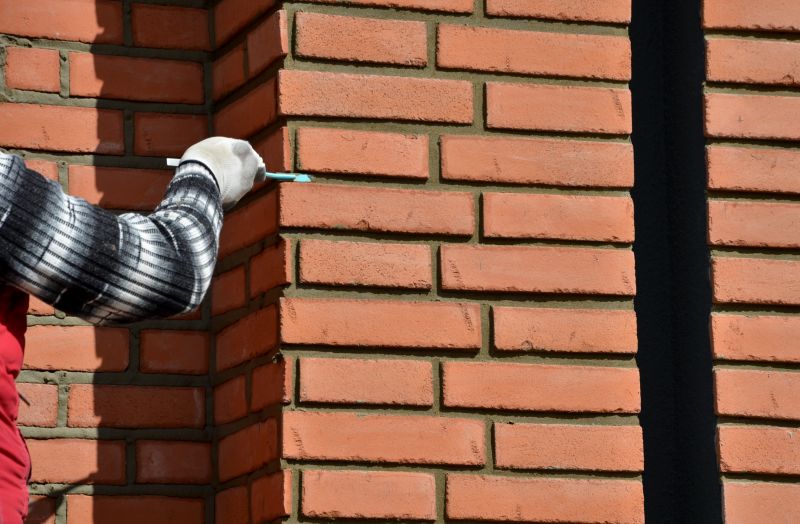
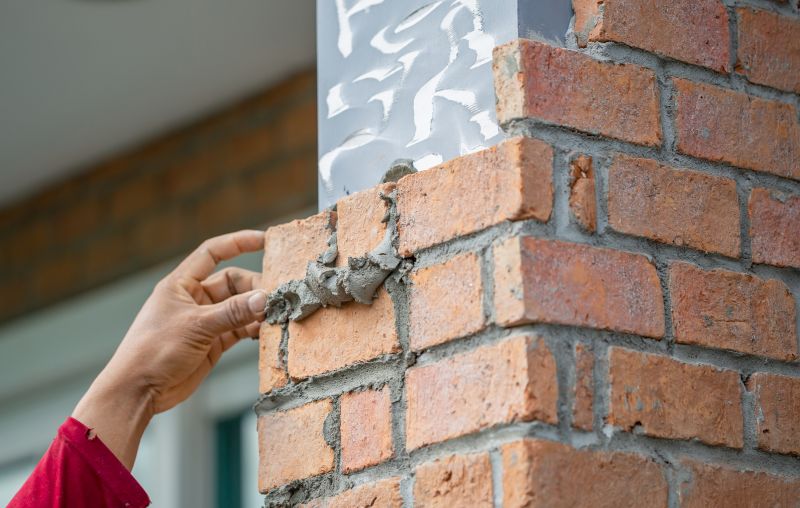
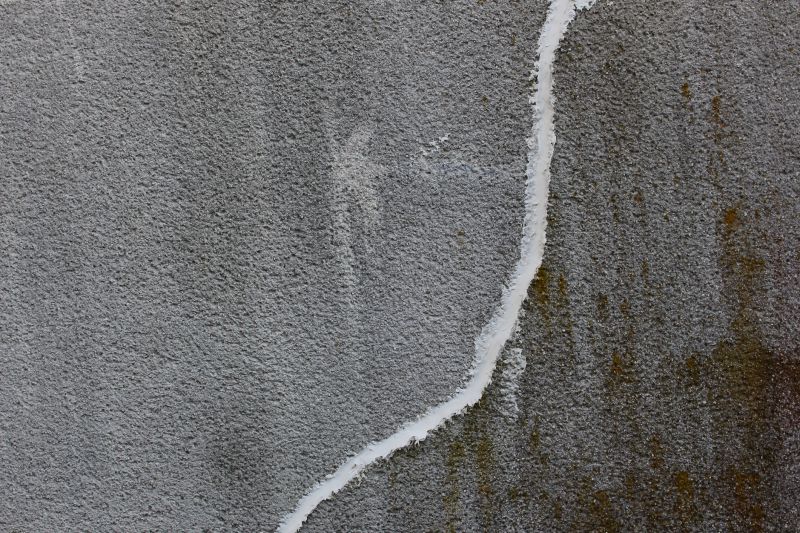
When people search for how deteriorated mortar affects building safety and longevity, they are usually concerned about the structural integrity of their property. Over time, mortar joints can weaken, crack, or crumble due to exposure to weather, age, or improper maintenance. This deterioration can lead to gaps and voids in the masonry, making walls less stable and more vulnerable to damage. Homeowners often want to understand how these issues might compromise the safety of their buildings and what steps are necessary to prevent further deterioration or costly repairs.
This topic is closely related to problems such as water infiltration, foundation movement, and overall stability of brick or stone structures. Deteriorated mortar can allow moisture to seep into walls, which may cause internal damage or mold growth. It also increases the risk of bricks or stones shifting or falling out, especially in load-bearing walls. For plans involving repairs or renovations, addressing mortar deterioration is a crucial step to ensure the longevity of the building. Many property owners also consider repointing or mortar repair projects as part of routine maintenance or before undertaking larger structural work.
Typically, properties affected by deteriorated mortar include older homes, historic buildings, or structures with brick, stone, or block exteriors. Commercial buildings, townhouses, and even some newer constructions can experience mortar issues if the original installation was flawed or if the mortar has not been properly maintained. These properties often require assessment by professionals who understand the specific needs of masonry systems and can recommend appropriate repair methods. Recognizing signs of mortar deterioration early can prevent more extensive damage and help preserve the building’s safety and appearance.
Local service providers specializing in mortar repair play an essential role in addressing these concerns. They can evaluate the extent of mortar deterioration, identify underlying causes, and perform effective repairs to restore stability. Properly repaired mortar joints help prevent water intrusion, reduce structural risks, and extend the lifespan of the masonry. Homeowners and property managers benefit from connecting with experienced contractors who understand the importance of durable, long-lasting mortar repair. This ensures that the building remains safe, functional, and visually appealing for years to come.
Brickwork Restoration - professionals in restoring and repairing masonry structures, which requires understanding mortar deterioration and its impact on building stability and safety.
Cement and Masonry Repair - contractors skilled in fixing damaged mortar joints and ensuring the longevity of masonry walls, directly related to preventing further deterioration.
Structural Reinforcement Projects - projects that involve strengthening aging structures, where addressing mortar damage is essential to maintaining safety and integrity.
Historic Building Preservation - specialists who work on preserving older buildings, often needing expertise in matching original mortar and managing deterioration effects.
Stone Masonry Restoration - services that involve repairing and maintaining stone structures, which often require addressing deteriorated mortar to prevent structural issues.
Facade Repair and Restoration - projects focused on restoring building exteriors, where proper mortar repair is critical to ensuring safety and extending the building’s lifespan.

When evaluating service providers for mortar repair, it is important to consider their experience with similar projects. Homeowners should look for local contractors who have a proven track record of handling repairs in buildings with comparable construction styles or age. An experienced professional will be familiar with the common issues caused by deteriorated mortar and understand how these can impact the safety and longevity of a structure. This familiarity can help ensure that the repair work addresses the underlying problems effectively, reducing the risk of future damage or safety concerns.
Clear written expectations are essential when choosing a local contractor for mortar repair services. Homeowners should seek detailed descriptions of the scope of work, materials to be used, and the process involved. Having this information in writing helps prevent misunderstandings and provides a basis for evaluating whether the service provider’s approach aligns with the specific needs of the building. Well-defined expectations also support transparency and accountability, making it easier to assess the quality of the work and its potential impact on the building’s safety and durability.
Reputable references and good communication are key factors in selecting a reliable service provider. Homeowners can ask for recommendations or reviews from previous clients who had similar work done, as these insights can reveal the contractor’s professionalism and ability to deliver satisfactory results. Additionally, choosing local contractors who communicate clearly and promptly can make the process smoother, ensuring that questions about how deteriorated mortar affects building safety and longevity are addressed thoroughly. Effective communication fosters trust and helps homeowners feel confident that the repair work will be completed to meet their expectations and safeguard their property.
Property owners often search for how deteriorated mortar affects building safety and longevity when they are planning practical projects around their homes and businesses. Local pros provide Mortar Repair services for everyday jobs and straightforward project options.

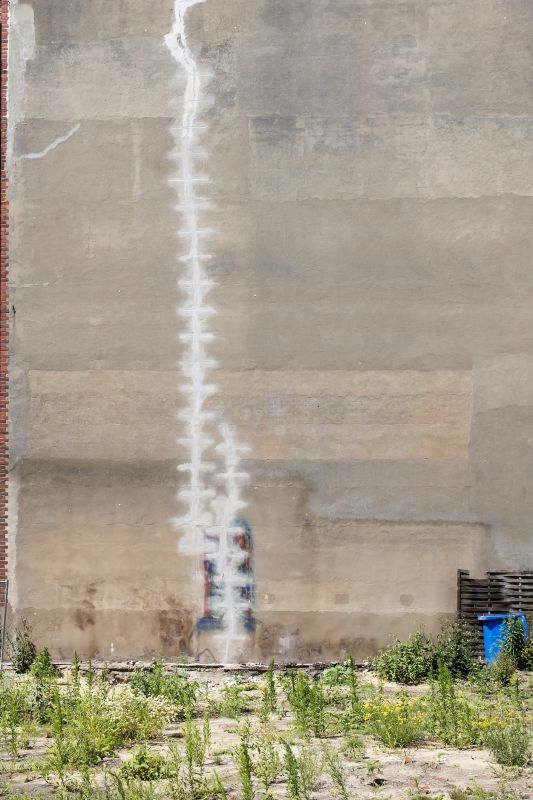
Deteriorated mortar can pose significant risks to the safety and stability of a building, especially in areas where structures are older or have been exposed to harsh weather conditions. When mortar begins to break down, it can lead to gaps and weak spots in the brick or stonework, making the entire structure more vulnerable to shifting or damage over time. Property owners noticing crumbling joints or cracks may find it necessary to explore mortar repair services offered by local contractors who specialize in restoring the integrity of masonry work, helping to prevent further deterioration and maintain safety.
Understanding how deteriorated mortar affects building longevity can motivate property owners to seek timely repairs before more serious issues develop. Over time, compromised mortar can allow moisture to seep into the walls, leading to potential water damage, mold growth, or even structural failure. Local service providers equipped with the right expertise can assess the extent of mortar deterioration and perform necessary repairs, ensuring the building remains sound and durable for years to come.
How does deteriorated mortar impact building safety? Deteriorated mortar can weaken the structural integrity of a building by causing walls and other elements to become unstable, increasing the risk of damage or collapse. Local contractors can assess and repair mortar to help maintain safety.
In what ways does damaged mortar affect the longevity of a building? Over time, deteriorated mortar allows moisture and pests to penetrate, accelerating deterioration of the structure. Skilled service providers can restore mortar to extend the lifespan of the building.
Why is it important to repair deteriorated mortar promptly? Prompt repairs prevent further structural damage, reduce the risk of safety hazards, and help preserve the building’s overall stability. Local pros can perform timely mortar repairs to protect the property.
How can deteriorated mortar compromise building safety and longevity? When mortar deteriorates, it can cause bricks or stones to loosen or shift, leading to potential structural failure. Experienced contractors can reinforce and replace mortar to ensure safety and durability.
What role do local pros play in addressing mortar deterioration? Local service providers evaluate the extent of mortar damage, perform necessary repairs, and help maintain the building’s safety and longevity through expert restoration work.
Assessing mortar damage - property owners can evaluate visible cracks or crumbling mortar to determine when professional repair services are needed to maintain building safety.
Prioritizing mortar repair projects - understanding how deteriorated mortar impacts longevity helps property owners plan timely restoration with local contractors.
Maintaining structural integrity - regular inspections of mortar joints can help identify issues early, allowing for proactive repairs that prevent further damage.
Choosing appropriate repair methods - learning about different mortar repair techniques enables property owners to work with local service providers for effective restoration.
If you are thinking about how deteriorated mortar affects building safety and longevity for a property, this guide is meant to help you understand this topic, the typical project types, and how different options might fit your plans.
When you are ready, you can use the quote form on this page to share a few details about your project. From there, local pros can review the basics and follow up with options that match what you have in mind.